Neuroscience reveals secret of handwriting behind brain activity
https://televisionjitter.com/ziaan6bzva?key=e689f65356183e579fe844fc63ffeb34
Neuroscience reveals secret of handwriting behind brain activity
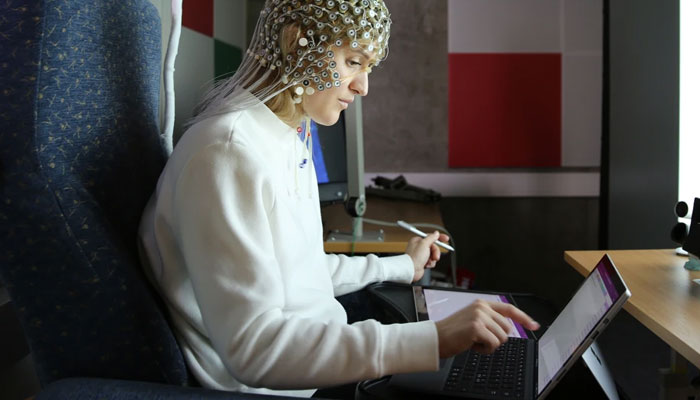
The study, involving 36 university students, aimed to unravel the mystery behind how the brain responds to the act of writing. As participants were asked to either write in cursive using a digital pen on a touchscreen or type the same words using a keyboard, a sophisticated cap with 256 electrodes recorded their brain waves. The findings were nothing short of remarkable.
The study delves into the intricate dance between the brain's visual, sensory, and motor cortices when individuals opt for the analog approach. Writing by hand requires active visualization of letters and precise fine motor skills to execute movements. In contrast, typing, with its uniform-looking keys, demands less brain activity in the visual and motor cortices.
As we navigate the digital landscape, the study prompts a reflection on the role of handwriting in education. While the world is becoming increasingly reliant on digital communication, the cognitive benefits of handwriting, especially for memory-related functions, cannot be ignored.


Comments
Post a Comment