These are top 6 heart attack signs in women, doctor reveals
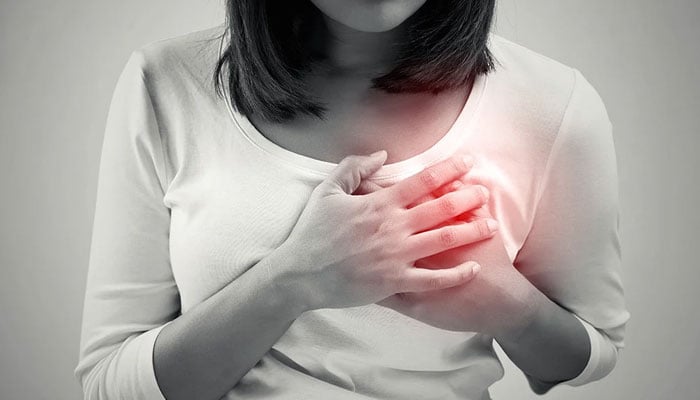
Do you believe heart disease is exclusively a male disease?
But, this is not true. Health experts have debunked this myth.
Dispelling the misconception that heart disease primarily affects men, Dr LaPook underscored its status as the leading cause of female mortality. National Wear Red Day serves as more than a fashion statement; it's a call to bring attention to this pervasive health concern, where heightened awareness directly correlates with saving lives.
atOptions = {
'key' : 'cf57081e84bb19c63fa3b30856c2652f',
'format' : 'iframe',
'height' : 300,
'width' : 160,
'params' : {}
};
document.write('
Dr LaPook detailed the most prevalent symptoms of heart attacks in women, focusing on well-known indicators such as chest pain and shortness of breath. Additionally, he stressed lesser-known signs like nausea, vomiting, fatigue, and pain in the jaw, back, or other areas, underscoring their importance in early detection.
Examining risk factors associated with heart disease, Dr LaPook highlighted high blood pressure, diabetes, high cholesterol, obesity, and inactivity. Access to healthcare emerged as a crucial factor, with a passionate plea against smoking, recognising its decline as pivotal in reducing heart disease rates.
Beyond symptom recognition and risk mitigation, Dr LaPook stressed the significance of early detection through regular monitoring of key health metrics like weight, blood pressure, and overall well-being. Waiting for symptoms to manifest was discouraged, with a call for women to adopt lifelong healthy habits.
Dr LaPook extended the conversation to heart health during pregnancy, framing it as a significant "stress test" for the heart. He urged women to enter pregnancy in good overall health, highlighting the need for accessible healthcare.
Acknowledging disparities faced by Black women in maternal health, Dr LaPook delved into multifactorial issues contributing to increased mortality rates.
As women nationwide absorb this vital information, Dr Jon LaPook leaves them with a compelling call to action: "It's not something where you want to wait until you have symptoms and then say, 'OK, now I'm going to really get into it.'
This should be a lifelong thing. So, from birth, you want to have healthy habits."


Comments
Post a Comment